
Quick comparison
Top picks at a glance
| Product | Best For | Rating | Price | |
|---|---|---|---|---|
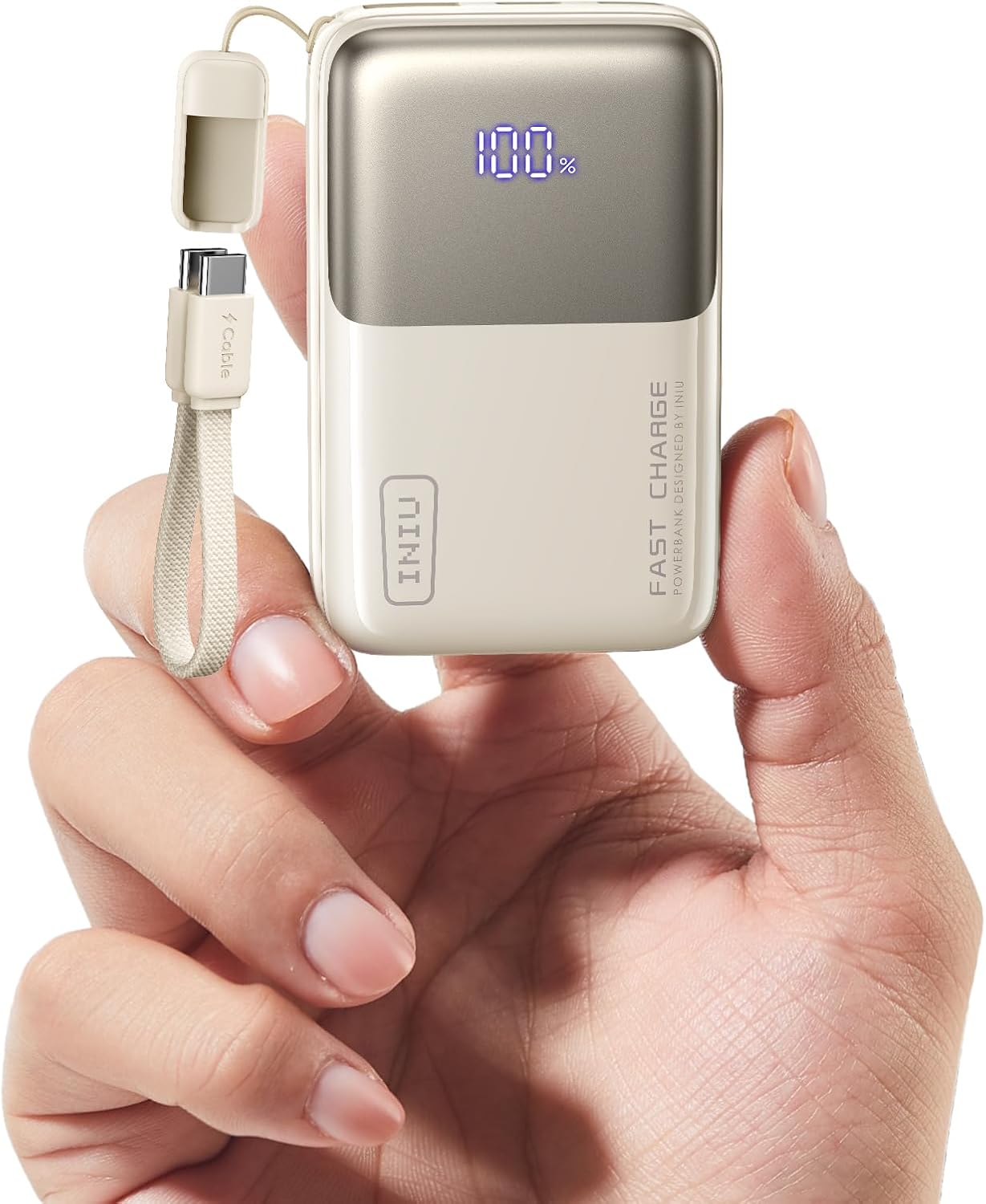
| Anker Nano Power Bank 10K | Best pocket power anchor | $49 | Check Price | |
| Victorinox Jetsetter | Best airport-safe multitool | $18 | Check Price | |
| RovyVon Aurora A8 | Best micro flashlight | $42 | Check Price | |
| Orbitkey 2-in-1 Tech Accessory Pouch | Best compact organizer | $69 | Check Price | |
| Leatherman Style PS | Best pocket utility backup | $34 | Check Price |
Everyday carry content usually falls into one of two traps. It either becomes performative pocket theater, where people carry far more than they need because the loadout looks good on a table, or it becomes so minimal that it stops being useful the moment a normal problem shows up. The right EDC tech loadout sits somewhere in the middle. It should give you fast access to power, light, and small-task capability without turning your pockets or bag into a hardware store.
For 2026, the best EDC setup is less about chasing novelty and more about choosing compact gear with clean overlap. You want accessories that solve adjacent problems with minimal redundancy. A battery pack should cover both commute days and light travel. A pouch should organize cables and smaller tools without taking up half a backpack. A flashlight should be bright enough to matter but small enough to stay with you. And every item should justify itself repeatedly, not just once in a while.
This loadout is built for readers who move between work, transit, coffee shops, and occasional flights. If your routine is more rugged, you may want tougher or larger tools. But for most urban and travel-heavy carry, the five products below create a smart baseline that stays practical instead of aspirational.
Why this loadout works
The hidden challenge in EDC is cumulative friction. One extra item does not feel like much. Five slightly bulky items definitely do. That is why I prefer a system approach. Instead of asking whether each product is good in isolation, ask whether the kit as a whole feels smooth. Can you grab what you need quickly? Do the pieces fit in the same pouch? Do they create cable clutter, extra weight, or redundancy? The best loadouts feel quieter over time.
This list also favors airport-friendly and office-friendly tools. A lot of “ultimate” carry lists fall apart as soon as you walk into a security line or shared workspace. That is not useful for the audience Daily Carry Lab is built around. These picks are meant to survive real routines.
Another useful filter is recovery speed. When something small goes wrong during the day, how quickly can your loadout get you back on track? A dead phone battery, dark parking garage, frayed cable, loose fastener on a pair of glasses, or tangled charger setup are all low-grade failures that waste time disproportionate to their size. The best EDC tools are not dramatic. They just shorten recovery. That practical mindset keeps the loadout grounded.
Power foundation: Anker Nano Power Bank 10K
If you carry one dedicated tech accessory every day, make it a compact battery pack. The Anker Nano Power Bank 10K earns that slot because it solves a common failure point without creating a new burden. It is compact enough to keep in a sling or organizer full time, powerful enough to matter, and easy to charge with the same USB-C ecosystem most readers already use.
In an EDC context, the Nano is not just about emergencies. It creates freedom. You stop rationing phone brightness on long days, worrying about navigation during a late commute, or hovering near outlets in waiting areas. That psychological benefit is one reason power banks punch above their weight in an EDC setup.
Pros
- Small enough for true everyday carry
- Reliable charging for phones and compact devices
- Fits naturally into a modern USB-C kit
Cons
- Not a full laptop solution
- More expensive than generic budget packs
- No integrated cable for absolute minimalists
Pocket utility without airport pain: Victorinox Jetsetter
The Victorinox Jetsetter is one of those products that sounds underwhelming until you carry it. No, it is not a full multitool. That is why it works. The point is to cover the small daily tasks that show up constantly: opening packaging, trimming loose threads, tightening tiny screws, and dealing with the sort of annoyances that do not justify a heavier tool.
For travelers, the airport-safe angle matters. Many popular EDC tools are immediate compromises the moment security enters the picture. The Jetsetter is more modest, but it is much easier to keep with you consistently. In carry systems, consistency usually beats peak capability.
Pros
- Travel-friendly and easy to keep in rotation
- Useful for small daily tasks
- Light enough to disappear on a key ring or pouch
Cons
- Limited capability compared with larger multitools
- Not a substitute for a real blade-based tool
- Can feel too minimal for hands-on users
Illumination that stays with you: RovyVon Aurora A8
Tiny flashlights are the kind of EDC item people underestimate until they use one regularly. The RovyVon Aurora A8 is compelling because it offers real utility in a form factor small enough to stay attached to your routine. Whether you are finding dropped items under a car seat, checking a dark hotel room corner for outlets, or navigating a dim parking structure, a micro light is faster and more deliberate than turning on your phone flashlight every time.
The Aurora also fits the broader logic of this loadout: high usefulness, low friction. It does not demand belt carry or a dedicated sheath. It just works.
I also like how a tiny flashlight changes how comfortable you feel relying on smaller bags. When you are not carrying a full backpack with lots of “just in case” gear, small utilities need to carry more weight figuratively, not literally. The Aurora does that well. It turns a pocket-sized item into a real confidence booster without distorting the rest of the setup.
Pros
- Impressively bright for the size
- Easy to keep on a key ring or in a small pouch
- More focused and reliable than relying on a phone flashlight alone
Cons
- Small size makes it easier to misplace
- Runtime is naturally limited
- Recharge reminders matter if you use it heavily
Keep the system tidy: Orbitkey 2-in-1 Tech Accessory Pouch
An organizer pouch is not glamorous, but it is often the product that determines whether your loadout feels coherent. The Orbitkey 2-in-1 Tech Accessory Pouch is especially good for EDC because it stays slim. That sounds trivial until you compare it with larger organizers that promise flexibility and end up encouraging you to carry too much.
I like this pouch because it supports restraint. It has enough structure for a cable, charger, battery pack, and a couple of smaller tools, but not enough space to become a junk drawer. For office commutes and travel, that is a feature. It also pairs well with the products in our tech organizer pouch guide, where size discipline is one of the major differentiators between good and mediocre designs.
Pros
- Slim profile works well in backpacks and totes
- Good internal organization without wasted bulk
- Helps keep a compact loadout intentional
Cons
- Can feel limiting if you carry too many extras
- Premium price for an organizer pouch
- Not built for large power bricks or bulky accessories
More capability when you need it: Leatherman Style PS
The Leatherman Style PS occupies an interesting place in this loadout. It is not as travel-simple as the Jetsetter and not as capable as a full-size multitool, but it makes sense for readers who want a little more grip and utility without committing to a heavier tool. It works especially well in a bag-based carry system where the added size is less of a problem than it would be in a front-pocket setup.
I would not include both the Jetsetter and the Style PS in the same minimalist pocket carry. But as a modular EDC option, the Style PS is useful. Think of it as the upgrade path for people whose daily routine produces more small-fix scenarios than average.
This is also where self-awareness matters. If your lifestyle includes bike commuting, office badge clips, package opening, little adjustments to gear, and the occasional on-the-go fix, a slightly more capable tool earns its keep. If your days are cleaner and more digital, the Jetsetter is probably enough. The point is not to maximize tools. The point is to match them to friction.
Pros
- Adds meaningful utility without major bulk
- Better grip and tool variety than keychain micro-tools
- Useful bridge between minimal and full multitool carry
Cons
- Still not a replacement for larger dedicated tools
- Less universally travel-friendly than the Jetsetter
- Easy to overcarry if your needs are basic
How we tested
This guide is less about lab measurements and more about long-form usability. I evaluated each product based on how often it solved a problem, how easy it was to keep in rotation, and whether it created friction in pockets, bags, or security lines. I also paid close attention to overlap. EDC gear gets bloated when items solve the same problem with slightly different shapes.
The strongest products here kept proving themselves useful while staying out of the way. That is the standard I care about most in this category.
Buying guide: building an EDC tech setup that lasts
Start by identifying the failure points in your day. Most people need three things more often than they realize: power, organization, and visibility. That is why a battery pack, small light, and organizer punch above trendier accessories. Once those basics are covered, add utility carefully. A multitool or backup cable should solve a specific recurring problem, not just fill a blank space in your pouch.
Second, decide whether your loadout is pocket-first or bag-first. Pocket carry demands ruthless editing. Bag carry gives you more freedom, but also more risk of overpacking. If you commute with a backpack or sling, a slim organizer and compact power bank are usually the highest-value additions. If you carry only what fits in your pockets, prioritize one battery solution and one small utility tool.
Finally, review your loadout after two weeks. The items you keep reaching for deserve to stay. The ones you continually work around probably looked better in theory than they perform in practice.
One more rule is worth keeping: choose gear that shares standards. USB-C charging, compact dimensions, and overlapping carry habits reduce maintenance. When your flashlight, battery pack, headphones, and laptop accessories all play nicely with the same few chargers and cables, the whole system becomes lighter both physically and mentally. That systems thinking is what turns a random pile of gadgets into an actual loadout.
FAQ
What is the single most useful tech EDC item?
For most people, it is a compact power bank. Phones are central to navigation, tickets, payments, communication, and work, so a reliable battery backup prevents the most common failure point in modern daily carry.
Should I carry a multitool every day?
Only if you actually use it. Many people are better served by a tiny scissors-based tool or keychain utility item than a heavier multitool they rarely touch.
Is an organizer pouch worth carrying every day?
Yes, if you already carry multiple small items. A good pouch reduces cable tangles, protects accessories, and makes your loadout faster to move between bags.
How often should I reassess my EDC setup?
Any time your commute, travel frequency, or device mix changes. Good EDC setups evolve with routine rather than staying frozen around an old one.